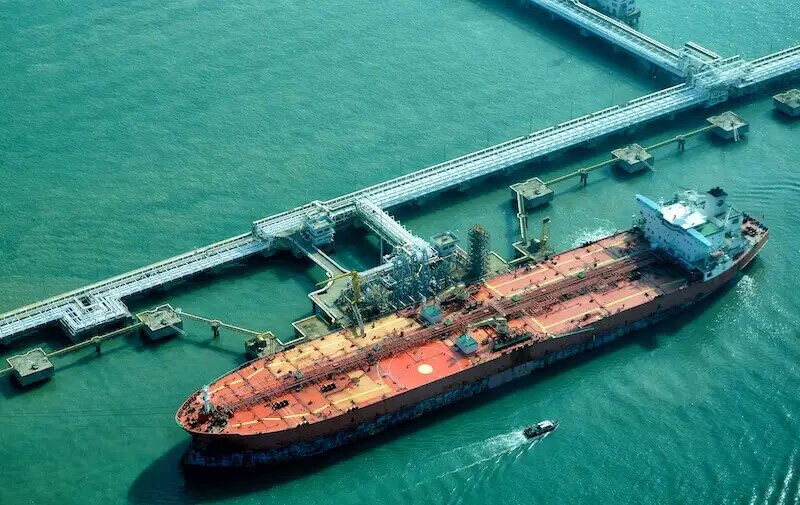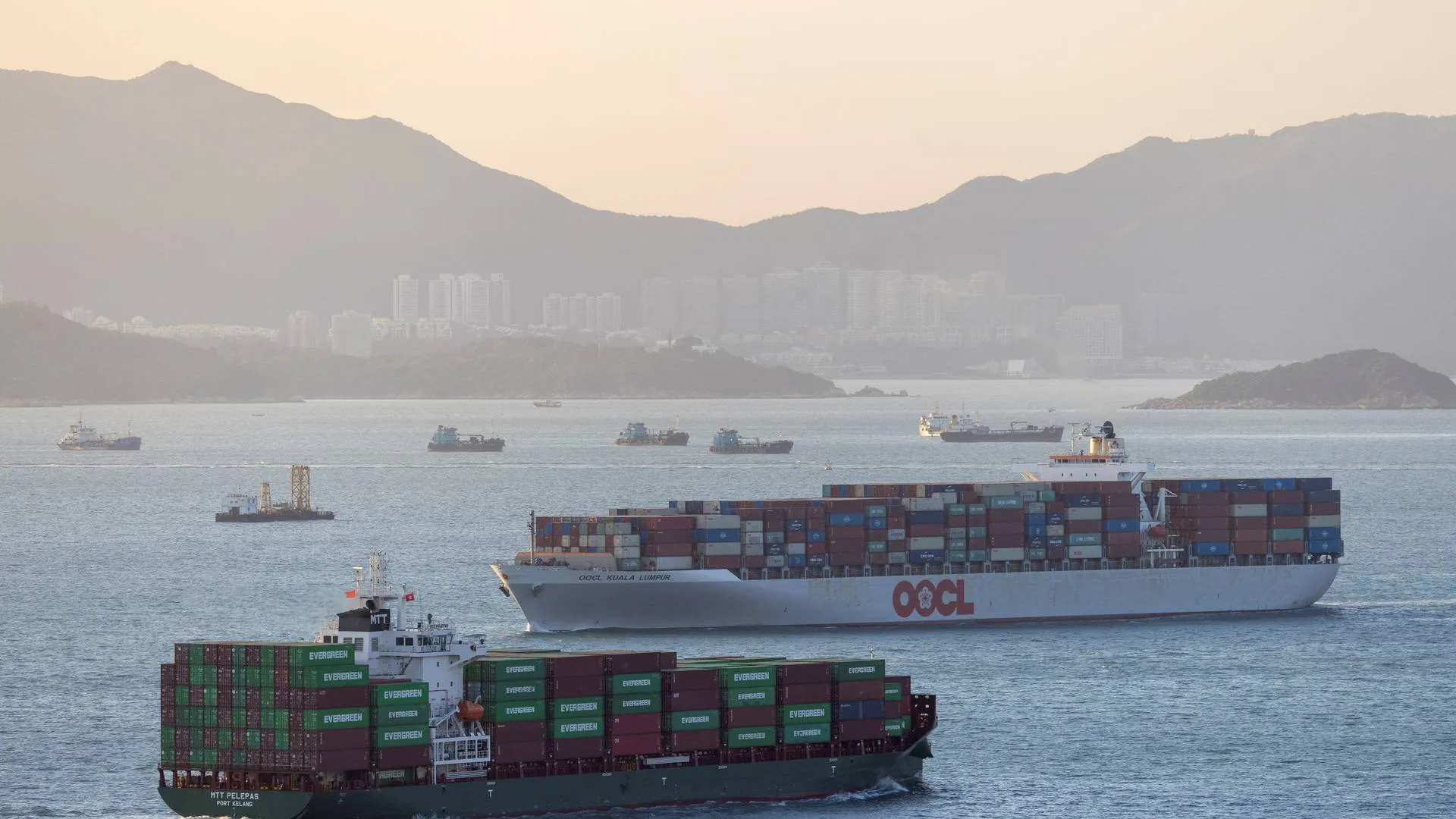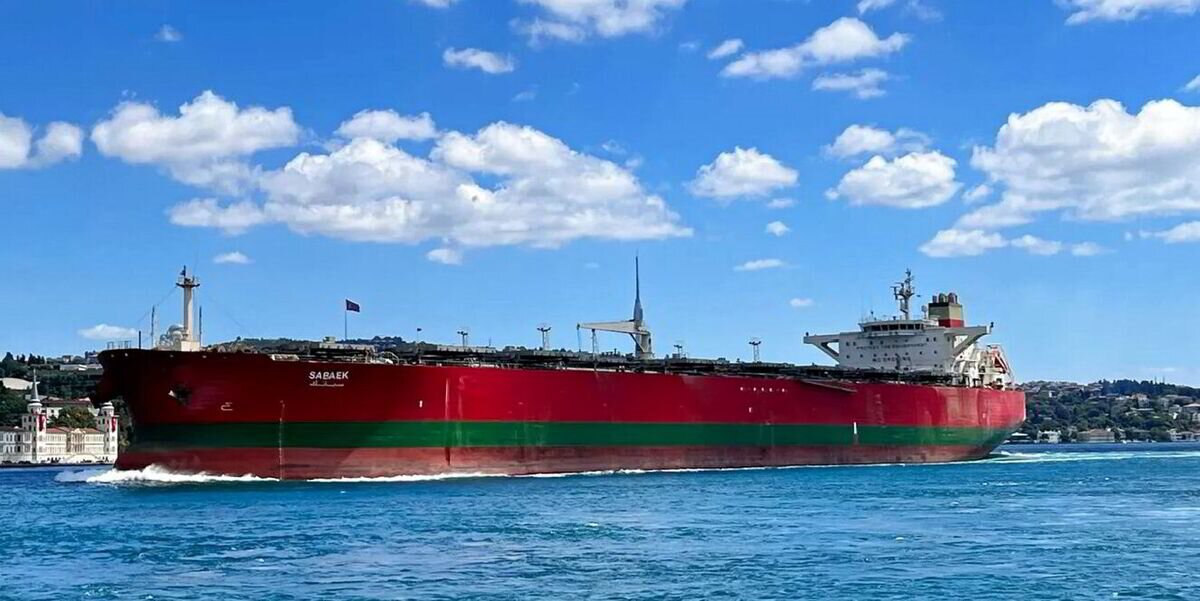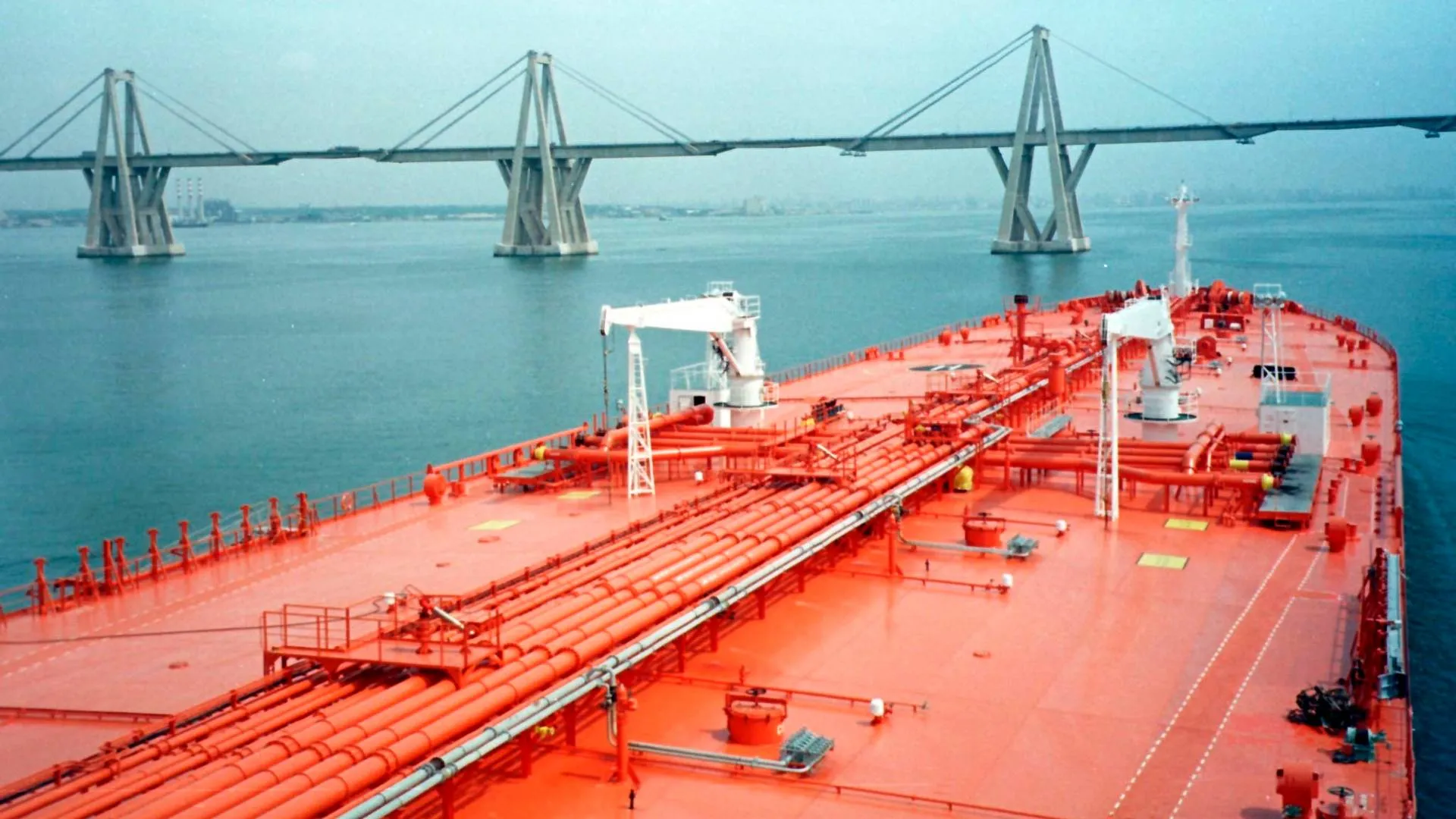
Representatives from ten European countries are meeting from this Tuesday, September 16th, until next Thursday the 18th at the Palacio de Zurbano in Madrid, to debate and outline a new strategy to combat pollution from ships in the North Sea.
This is the 37th meeting of the heads of delegation of the members of the Cooperation Agreement for the Prevention and Combating of Marine Pollution in the North Sea Area, better known as the Bonn Agreement.
One of the objectives of the meeting is the approval of a new strategy to combat pollution in the North Sea, which will set the course for the Bonn Agreement for the next 10 years, as well as to advance the implementation plan that will turn the strategy into concrete actions.
Furthermore, the meeting will address other matters related to linking the Bonn Agreement to Annex VI of the MARPOL Convention -International Convention for the Prevention of Pollution from Ships- which sets limits on air pollution from ships.
The Director General of the Merchant Navy, Ana Núñez, participated in the opening ceremony of the meeting, promoted by the Ministry of Transport and Sustainable Mobility.
Delegations from Belgium, Denmark, France, Germany, Ireland, the Netherlands, Norway, Sweden, the United Kingdom, the European Union, and Spain, which has been part of the Bonn Agreement since 2022, are participating in this meeting. The integration of our country is justified by the Finisterre Traffic Separation Scheme (TSS), which connects the North Sea with the Mediterranean and is considered the main maritime traffic route in all of Europe, with an average transit of 35,000 ships per year.
The commitment is to collaborate in the North Sea area by monitoring the zones of responsibility, responding operationally to pollution incidents, and sharing the research and innovation developed in the fight against maritime pollution.
The 1983 Cooperation Agreement for the Prevention and Combating of Marine Pollution in the North Sea Area is known as the Bonn Agreement and falls under the auspices of the International Maritime Organization (IMO) Conventions MARPOL and OPRC (International Convention on Oil Pollution Preparedness, Response and Co-operation) which, to improve their effectiveness, encourage the creation of international regional agreements that group states with specific characteristics and common interests.
The purpose of the Bonn Agreement is to guarantee international cooperation in the prevention of and response to marine pollution from accidents, and from illegal discharges of oil and harmful and potentially dangerous substances in the North Sea area and its approaches.
To this end, the involved parties commit to monitoring the area, responding to pollution incidents based on common criteria, conducting joint operational exercises, and sharing the research and development generated by each of the countries in this area. These commitments ensure a permanent improvement in the operational processes of prevention and response in the fight against maritime pollution from ships in our country.