Shipping Network News: The Panama Canal Authority (ACP) has announced an ambitious investment plan, including water supply, an LPG pipeline, road infrastructure, and a container terminal, aimed at strengthening its strategic role in global trade and ensuring long-term sustainable development.
Specifically, on September 16, Panama’s Minister of Canal Affairs, Jose Ramón Icaza, Canal Administrator Ricaurte Vásquez Morales, and Deputy Administrator and Sustainability Officer Ilya Espino de Marotta presented the ambitious investment plan for the next decade at a media event.
The vision for the Panama Canal is based on two main pillars: first, water security. Second, achieving sustainable growth by diversifying commercial activities and expanding transportation capacity without increasing water usage. The Panama Canal will go beyond being an interoceanic passage to become a logistics hub, enhancing Panama’s competitive advantage in world commerce.
Strategic Projects
Panama Canal Administrator Ricaurte Vásquez Morales stated that the Panama Canal will invest over $8 billion in strategic projects across four areas: water supply; an LPG pipeline; a road connecting the Atlantic and Pacific, and container and ro-ro terminals.
The Rio Indio reservoir will provide water for over one million Panamanians and improve the reliability of canal transportation, thereby maximizing its value.
The Canal Administrator stated, “The Canal depends on rainfall.” Following the 2023 drought, which forced the Canal to reduce daily vessel transits to 24, the Panama Canal management needs to find additional water sources because the operation of the locks depends on fresh water.
Construction of the dam is expected to begin in 2027 and will not be completed until 2032, with an estimated cost of $1.6 billion, of which $400 million will be used for compensation and relocation of approximately 2,500 residents from various communities.
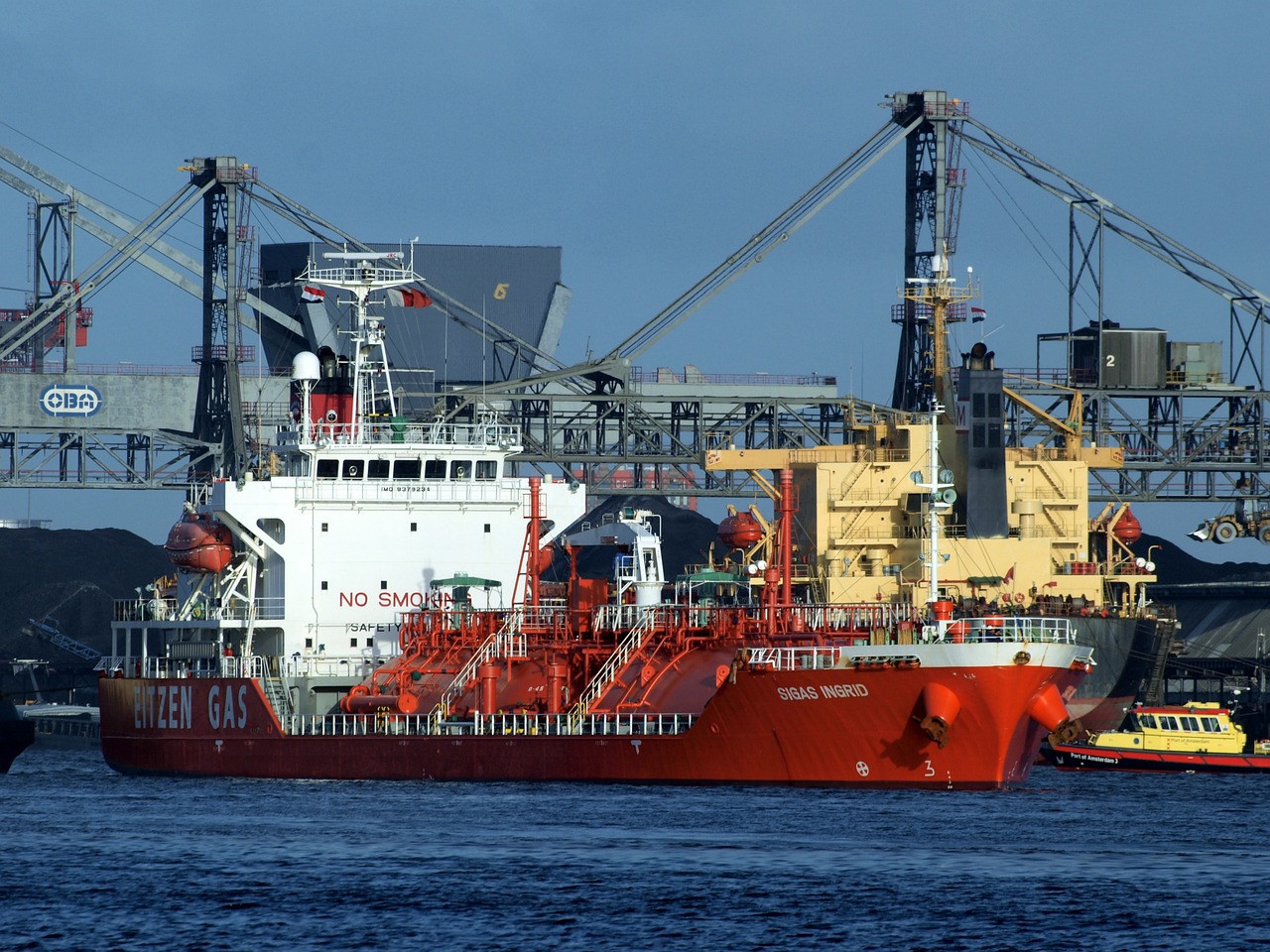
The interoceanic energy corridor will include a 76-kilometer-long pipeline and two terminals, capable of transporting up to 2.5 million barrels of energy products per day, connecting the Atlantic and Pacific coasts without passing through the locks.
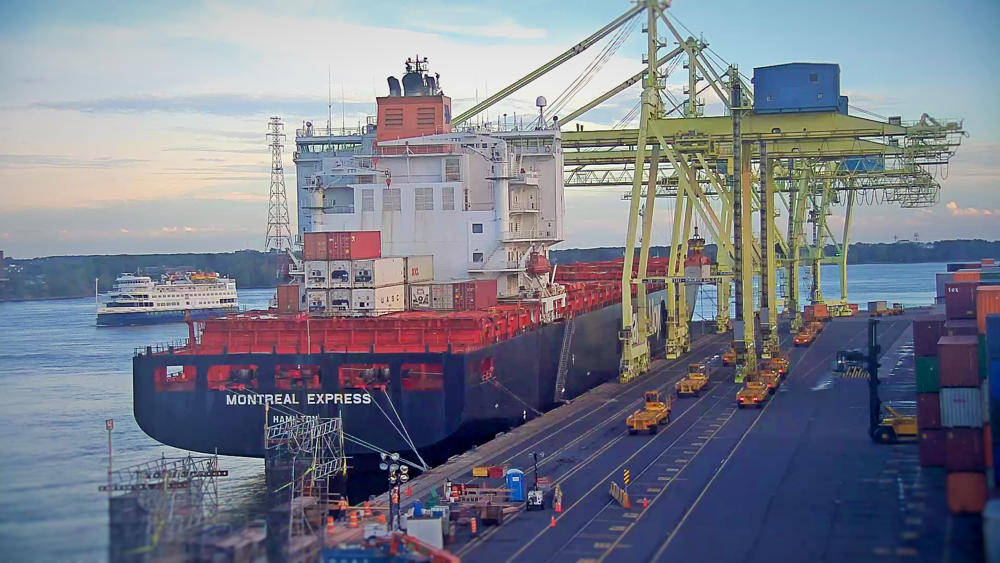
Meanwhile, feasibility studies for the Corozal port are ongoing, with results expected in the first quarter of 2026, and construction is planned to begin in 2028. The Corozal port will be integrated into a land-based logistics platform connected by roads and railways.
The Panama Canal Authority stated that it will ensure the development process for all projects is open and transparent. The Panama Canal reaffirmed its commitment to Panama and the world to continue being an engine of global trade and a driver of economic growth, while creating a more equitable, resilient, and sustainable future for all Panamanians.