/Agencia Anadolu
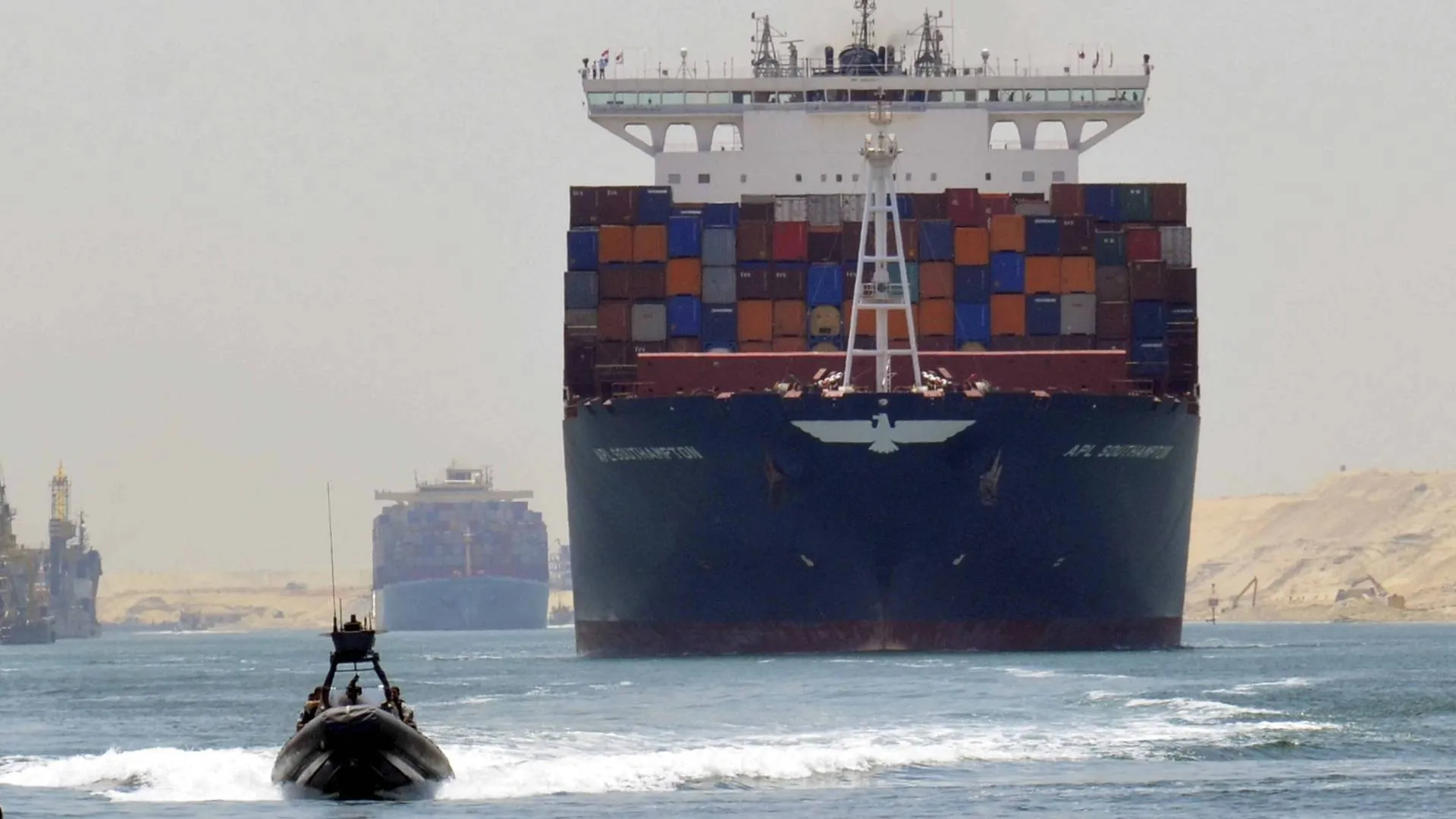
Turkey will increase the transit fee charged to international vessels passing through the Turkish Straits. The new cost will be $6.70 per net ton as of July 1, an increase of 14.9%, according to Minister of Transport and Infrastructure Abdulkadir Uraloglu.
The authority noted that the fee, calculated under the 1936 Montreux Convention in “gold francs” and based on the registered net tonnage of ships, is updated annually to support the country’s economy.
“We will update the fee per net ton of vessels, which was $5.83 in 2025, to $6.70 as of July 1,” he told Anadolu.
The minister indicated that Turkey charged $0.80 per net ton to international vessels transiting the straits from 1983 until October 7, 2022.
After 39 years, the fee was revised by presidential decision to $4.08 per net ton in 2022. Subsequently, it increased to $4.42 as of July 1, 2023, to $5.07 as of July 1, 2024, and to $5.83 as of July 1, 2025.
“This year we are also making an adjustment, and as of July 1, 2026, we are revising the transit fee for international vessels passing through the straits to $6.70,” Uraloglu added.
The Turkish Straits, comprising the Bosphorus and the Dardanelles, are one of the world’s most important maritime chokepoints, connecting the Black Sea with the Mediterranean.
Uraloglu explained that vessels traversing the straits without calling at Turkish ports are taxed under three categories in accordance with the Montreux Convention: sanitary inspection services, lighthouses, and salvage. He added that the latest revision will increase foreign currency revenue for the Treasury.
Revenue from vessel transit amounted to $38 million between July 1, 2021, and June 30, 2022, before rising to $223 million between July 1, 2024, and June 30, 2025.
Uraloglu indicated that Turkey expects revenue from vessel transit through the Turkish Straits between July 1, 2025, and June 30, 2026, to reach $254 million.
“The increase in revenue and the price update show the contribution to the economy,” the Turkish minister stated, adding that the revision aims to strengthen foreign exchange income and increase public revenue.