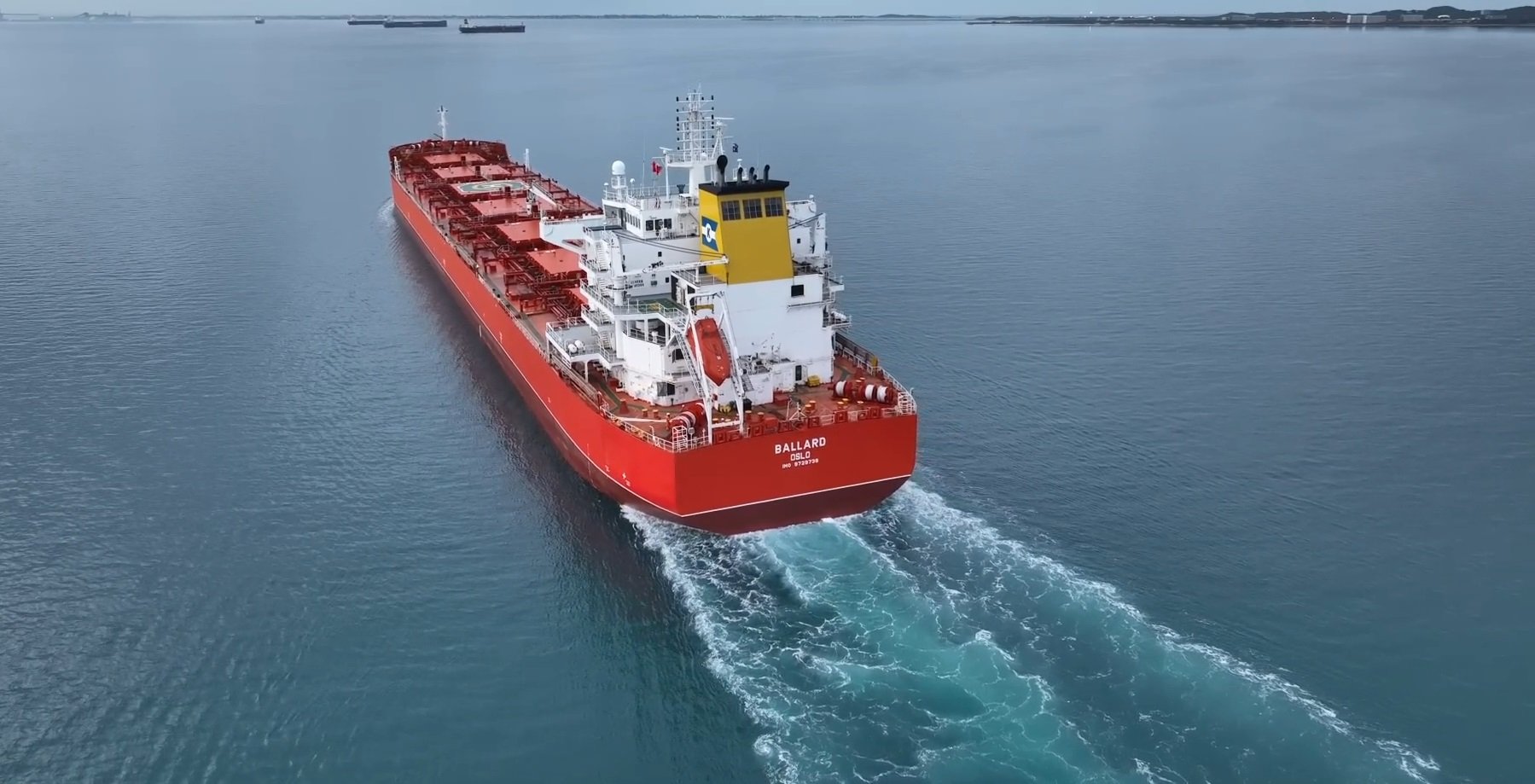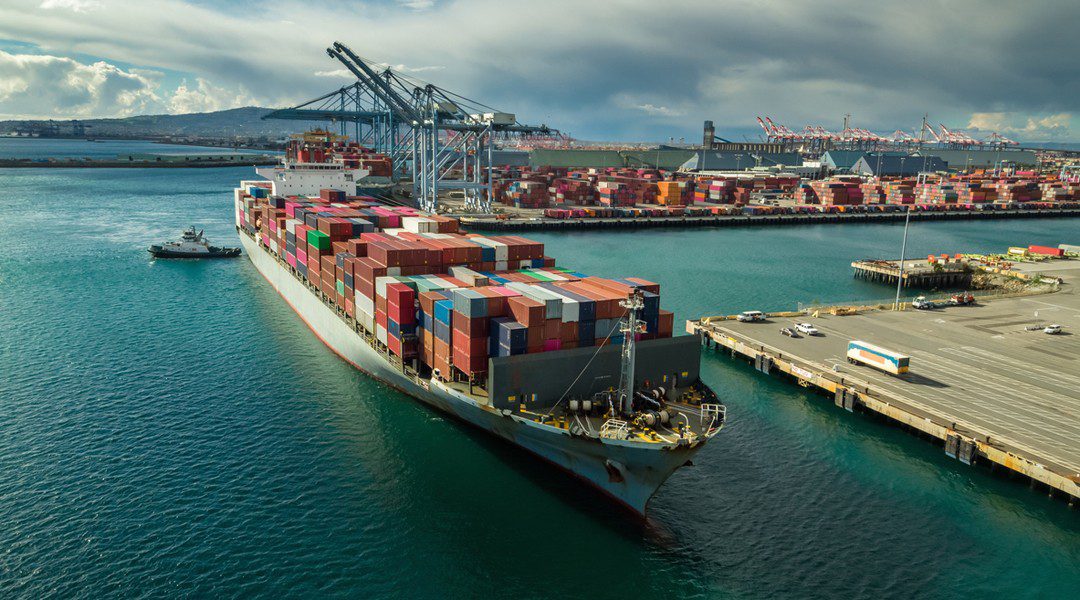
The Chattogram Port Authority (CPA) has uncovered a deliberate scheme by traders to use lighter vessels as floating warehouses to hoard essential commodities like wheat, creating artificial shortages and pushing up market prices.
A mobile court-led operation at the port’s outer anchorage this week confirmed suspicions that some conglomerates have been exploiting these vessels to manipulate supply. The operation targeted lighter vessels overstaying beyond the 72-hour limit after unloading cargo from mother ships.
Officials identified six vessels owned by Gazipur Logistics and Shipping, including one named Umme Kulsum which held nearly 7,000 tonnes of wheat, though it completed unloading over two weeks ago.
The Business Standard Google News Keep updated, follow The Business Standard’s Google news channel
These vessels exceeded the allowed stay by 12 days, violating port regulations that have been placed to ensure rapid movement of goods.
“Vessels carrying food items must leave port waters within three days of cargo transfer. Despite repeated warnings, some traders continue to flout these rules,” CPA Secretary Omar Faruk told The Business Standard.
“Our drives will continue. Any vessel used as a floating warehouse will face strict penalties from our executive magistrate to ensure a steady supply of consumer goods,” he added.
According to CPA officials, the delayed clearance of these vessels deliberately creates supply gaps, forcing millers and retailers to hike prices for flour and other staples.
“This is a direct attempt to destabilise the market, making consumers pay more while traders profit,” a senior CPA official said.
The drive also uncovered other breaches of port rules.
The vessel Gulshan Ara, carrying 1,150 tonnes of stone, had overstayed at the anchorage, while Bashundhara-27 was operating with faulty firefighting equipment. Several other vessels were fined for expired licences, invalid fitness certificates, and safety non-compliance.
A recurring problem
The practice of using lighter vessels as floating storage has been a persistent issue at Chattogram port. Similar CPA operations in 2022 and 2023 revealed cases of rice and wheat being held offshore for weeks to manipulate prices, particularly before high-demand periods such as Ramadan.
According to stakeholders, traders exploit the anchorage as a cheaper alternative to onshore storage, bypassing logistical costs while manipulating supply.
Mohammad Mahiuddin, legal secretary of the Khatunganj Trade and Industries Association, said, “Transport via lighter vessels takes 10-12 days, while trucks can deliver the same goods in two days.
“Unscrupulous traders exploit vessels’ capacity – up to 5,000 tonnes compared to trucks’ 10-12 tonnes – turning them into floating warehouses. The CPA must act decisively to normalise supply chains and ease consumer hardship.”
Impact on consumers
Bangladesh depends heavily on imported wheat, with local production covering less than 10% of demand. Delays in moving imported wheat inland disrupt flour mills and bakeries, further driving up prices at a time when consumers are already grappling with high food inflation.
SM Nazer Hossain, vice president of the Consumers Association of Bangladesh, said, “Traders create artificial shortages to hike prices, often keeping goods on lighter vessels under flimsy pretexts.
CPA and all stakeholders must act consistently to prevent supply disruptions and protect consumers.
The port authorities have pledged to intensify inspections and impose heavy fines or suspend licences for violators.
“Our aim is to maintain smooth flow from port to market, ensuring availability and fair prices,” a CPA spokesperson said. They also called for law enforcement support to monitor potential involvement of powerful syndicates in hoarding.
Economist Jahangir Alam, however, cautioned that inconsistent enforcement would allow traders to adapt.
“Sustained action is essential. Without it, consumers, particularly the poorest, will continue to face price spikes and shortages,” he said.