Recently, the Suez Canal Authority issued a notice that it will increase transit surcharges starting July 15, while the basic transit fee system remains unchanged.
Oh no, they’ve learned this surcharge trick. This adjustment basically covers all vessel types.
First, let’s talk about container ships. Container ships will uniformly be charged a 12% surcharge.
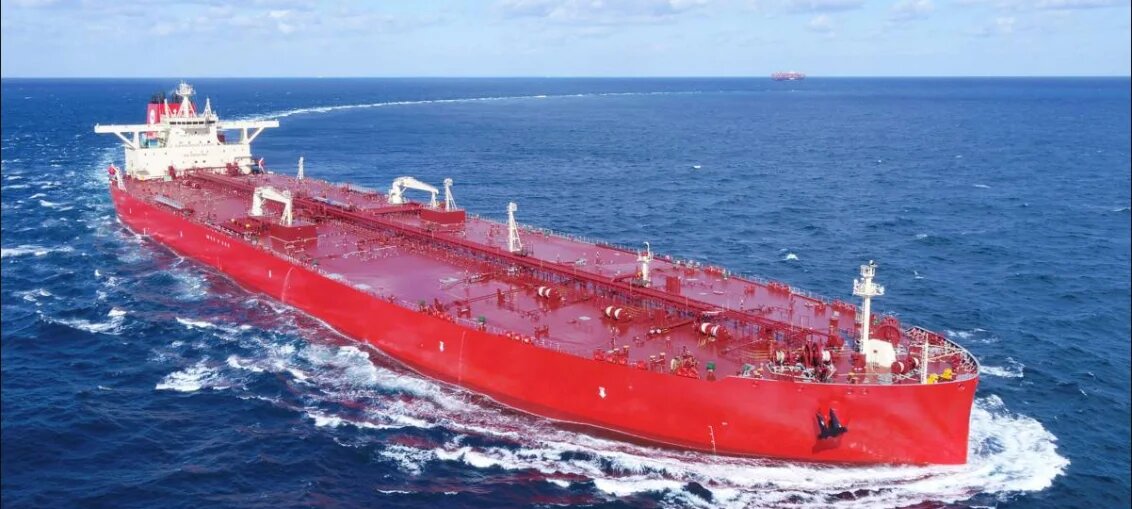
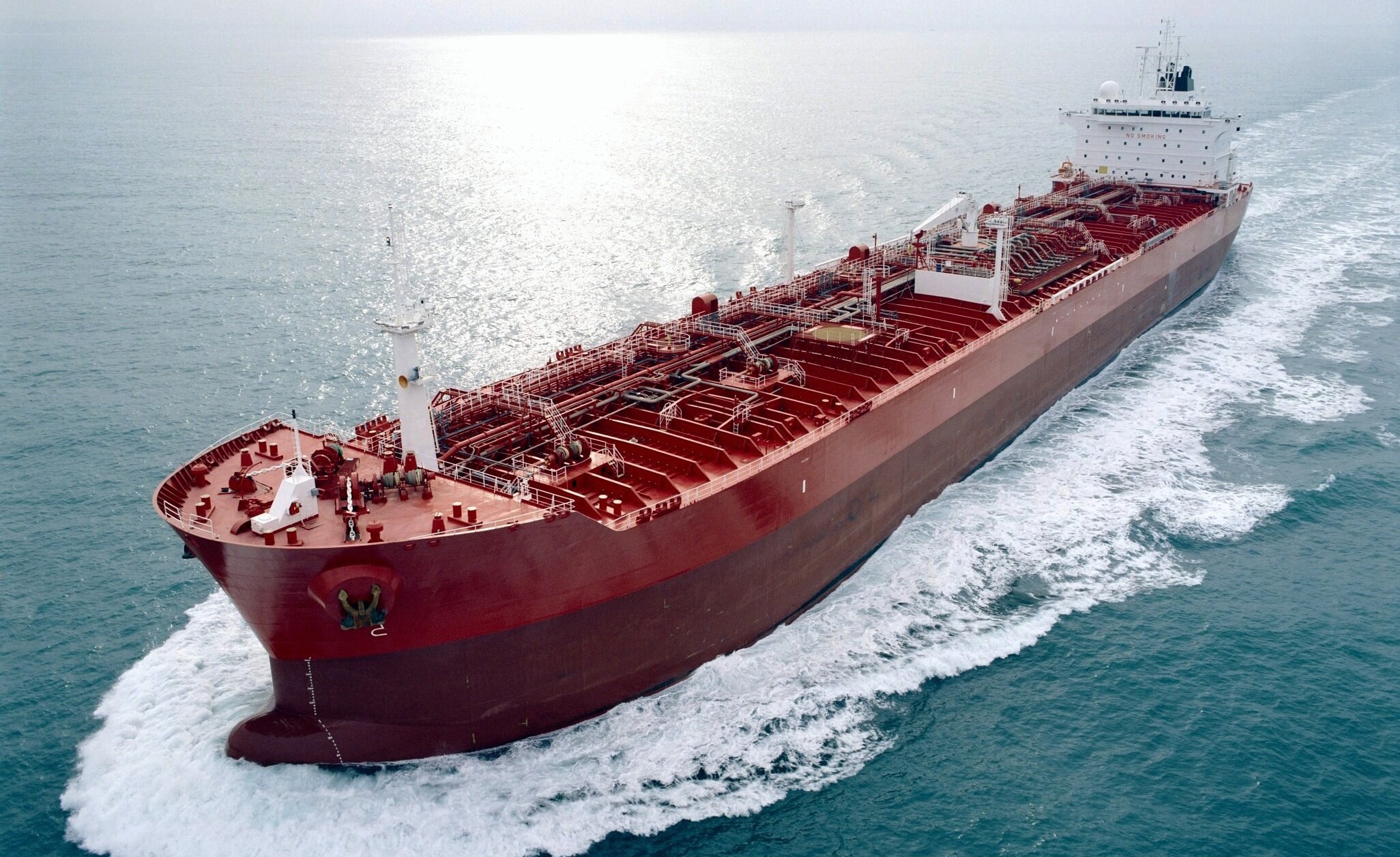
For crude oil and refined product tankers, the surcharge ratio is raised from 25% to 37%; for ballast vessels, it is adjusted from 15% to 27%.
Dry bulk carriers are increased from 10% to 22%; chemical tankers from 20% to 32%; car carriers from 14% to 26%.
The Authority stated that this price adjustment is based on current market conditions, the measure is temporary, and may be adjusted or canceled in the future depending on market trends.
Currently, most vessels are still rerouting around the Cape of Good Hope. Some shipping companies like CMA CGM and Maersk have attempted to transit.
Analysts believe the Suez Canal may be trying to increase revenue by taking advantage of the return of vessels, possibly assuming that market transit capacity has somewhat recovered.
Finally, let’s do a simple calculation: how much more will a 20,000 TEU container ship have to pay when transiting the Suez Canal?
The Authority does not charge container ship transit fees by TEU, but by SCNT—Suez Canal Net Tonnage.
For large vessels of around 20,000 TEU from top shipping companies, the SCNT is generally between 180,000 and 220,000. Based on past cases, a single transit of a 20,000 TEU vessel through the Suez Canal costs approximately USD 1 million.
Thus, the surcharge would be USD 120,000. Assuming a 90% loading rate, the cost per TEU is USD 7, which is a level easily covered by GRI and PSS, and likely will not be passed on to shippers.